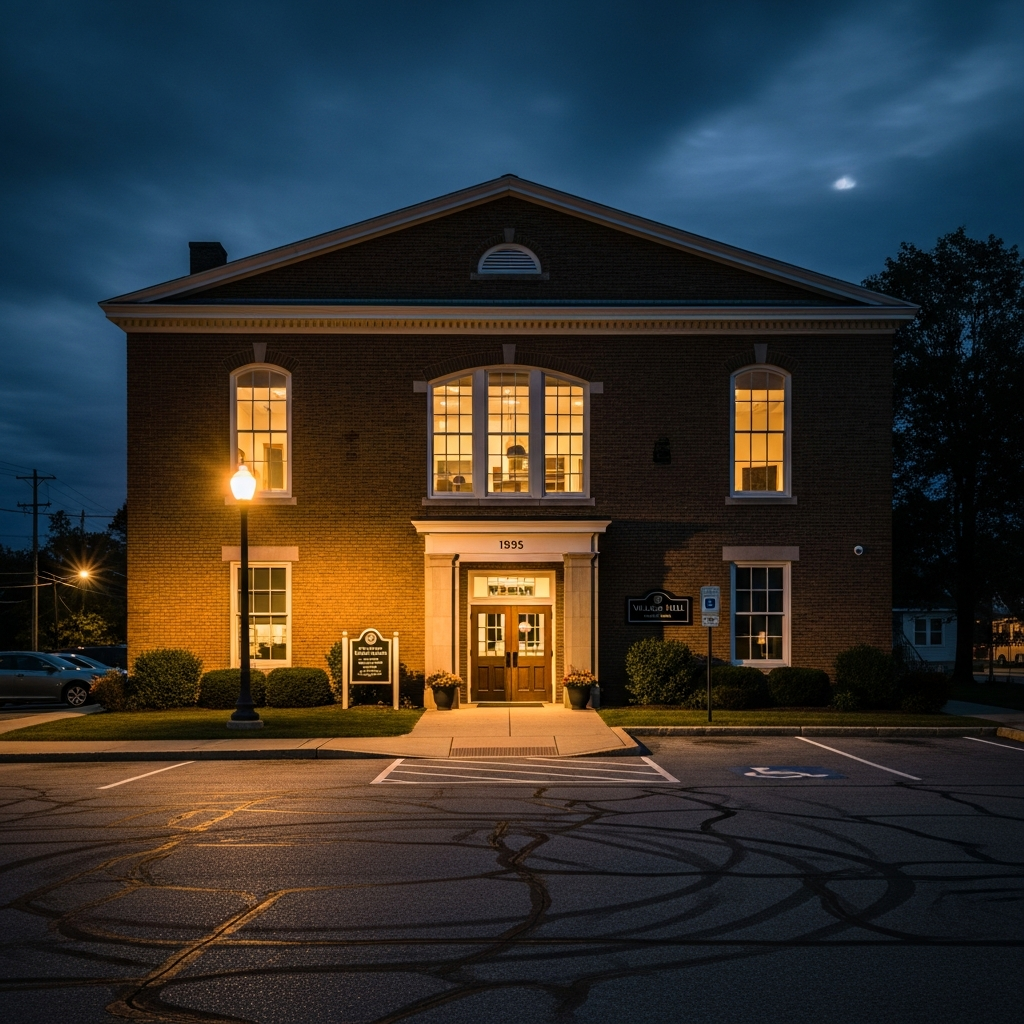
Town Board, Planning Board and ZBA all held November meetings, but as of Nov. 29 the town has posted schedules only, not the agendas or minutes that show what was decided.
The Town of Wilton’s online calendar confirms that all three major boards—the Town Board, Planning Board and Zoning Board of Appeals (ZBA)—met as scheduled in November 2025. Yet weeks later, residents still can’t easily find what was discussed or decided, because detailed agendas and minutes for those meetings have not been posted on the town website.
November meetings happened. The public record hasn’t.
According to the town’s official calendar, Wilton held three key meetings this month:
- Town Board on Thursday, Nov. 6, 2025
- Planning Board on Wednesday, Nov. 19, 2025
- Zoning Board of Appeals (ZBA) combined November/December meeting on Thursday, Nov. 20, 2025
The ZBA’s own schedule page confirms the combined Nov./Dec. meeting date of Nov. 20 at 7 p.m. at Town Hall. The Town Board and Planning Board schedule pages likewise show the regular first-Thursday and third-Wednesday patterns continuing through December.
What’s missing are the agendas (what was planned for discussion and action) and the minutes (what the boards actually did). As of Nov. 29, 2025, those documents do not appear in the town’s online agendas or meeting-minutes sections for any of the three boards.
Why it matters
For residents, landowners and business owners, these three boards are where major decisions get made:
- The Town Board sets budgets, adopts local laws and approves contracts.
- The Planning Board decides on subdivisions, commercial site plans and special use permits that shape development for decades.
- The Zoning Board of Appeals (ZBA) grants or denies variances that determine how strictly zoning rules apply to individual properties.
When agendas and minutes are slow to appear, it becomes much harder for people to:
- Track how officials are using their authority and tax dollars.
- See whether boards are following through on earlier promises about traffic, buffers, noise or environmental protections.
- Prepare meaningful public comments before a project is too far along to change.
From a small‑government perspective, access to basic information is the minimum price of broad regulatory power. If boards are going to control land use, property rights and millions in public spending, the least they can do is publish timely, detailed records of what they’re doing.
The schedule keeps moving forward
Even as November records lag, the town has already posted the next round of meeting dates:
- Dec. 4, 2025 – Town Board meeting at 7:00 p.m.
- Dec. 17, 2025 – Planning Board meeting at 6:30 p.m.
The ZBA schedule still lists the combined November/December meeting on Nov. 20, suggesting there may not be another ZBA session until January.
This means that two more high‑impact meetings are imminent, yet residents still don’t have an official written record of what happened at the last round.
Questions the town should answer
Some straightforward changes could make Wilton’s government easier to follow without adding new regulations or big expenses:
- How quickly are agendas posted before meetings?
-
Are they consistently available several days in advance so residents can react?
-
What is the town’s target for posting minutes?
-
Is there an internal policy—such as within 7 or 14 days of a meeting—and is that target being met?
-
Is someone responsible for keeping each board’s online records current?
-
If not, should the Town Board explicitly assign that responsibility to a staff member or clerk?
-
Could the town post draft minutes sooner, clearly labeled as ‘unapproved’?
-
Many municipalities do this to give the public a timely, if provisional, look at decisions.
-
Can video be posted more consistently and cross‑linked from the agenda pages?
- Wilton already records Town Board meetings and posts them on YouTube, but those links are not always easy to find from the main agenda/minutes hub.
Analysis: Transparency as a low‑cost safeguard
From a libertarian‑leaning standpoint, the problem isn’t just that paperwork is late. It’s that concentrated power without up‑to‑date public records invites both honest mistakes and quiet mission‑creep.
Wilton’s boards continue to approve new development, tweak zoning language and manage sizable reserves and capital projects. Those are exactly the kinds of decisions that should leave a clear, easily accessible paper trail.
Before the next controversial project or tax debate erupts, town officials could defuse a lot of suspicion by:
- Treating agendas and minutes as core public services, not administrative afterthoughts; and
- Committing to a simple, public posting schedule that residents can rely on.
That would cost very little—but would make it much easier for taxpayers and property owners to keep their government on a short, accountable leash.